
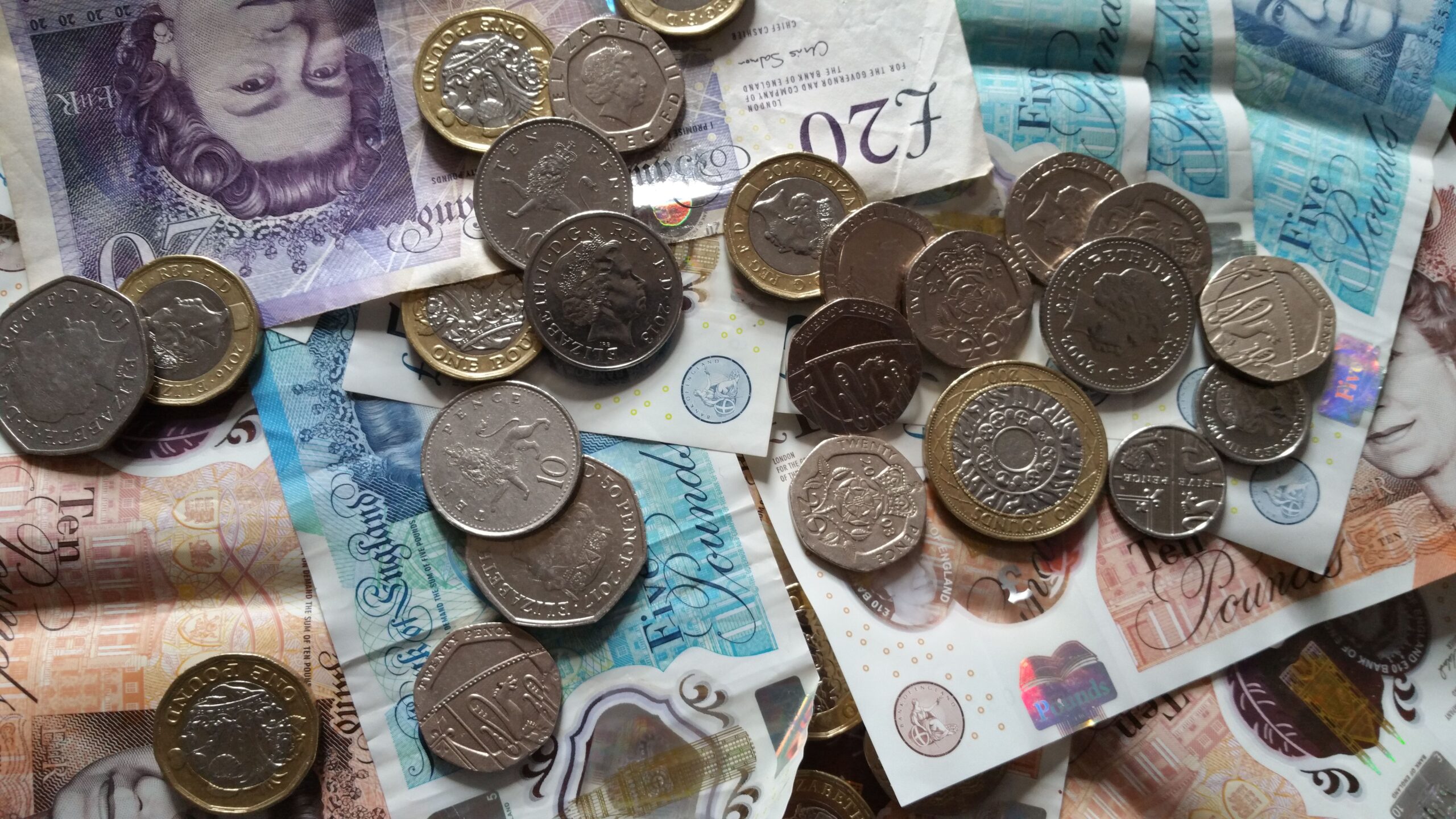
If you’ve been quietly building up a tax-free pot in a Cash ISA, there’s a deadline creeping up that’s worth putting in your diary now. From 6 April 2027, the rules change, and for anyone under 65, the amount you can shelter in a Cash ISA each year is being cut by £8,000.
Here’s what’s actually happening, who it hits, and the simple moves that can keep your money working before the window closes.
What’s Changing With the Cash ISA Limit
In the Autumn 2025 Budget, Chancellor Rachel Reeves announced that the Cash ISA allowance for under-65s will drop from £20,000 to £12,000 per tax year. The change takes effect from 6 April 2027.
Crucially, the overall ISA allowance stays at £20,000. So you’re not losing any tax-free allowance, you’re just being nudged on where you can put it. From April 2027, an under-65 wanting to use the full £20,000 would need to split it: up to £12,000 into cash, and the remaining £8,000 into a Stocks and Shares ISA (or another non-cash type, like an Innovative Finance ISA).
If you’re 65 or over, nothing changes. You keep the full £20,000 Cash ISA allowance.
Why the Government Is Changing the Cash ISA Limit
The not-so-subtle aim is to get more of the nation’s savings invested rather than sitting in cash. The Treasury’s view is that a generation of savers parking large sums in Cash ISAs are missing out on long-term growth, and the wider economy is missing out on that investment. Whether you agree or not, the practical takeaway is the same: cash is being made a little less convenient as a long-term home for big balances.
The Sting Buried in the Detail
There’s a second change that’s flown under the radar. HMRC plans to introduce a 20% tax charge on interest earned on cash held inside a Stocks and Shares ISA above the permitted cash allowance.
In plain English: you can’t dodge the new Cash ISA cap by opening a Stocks and Shares ISA and just leaving the money sitting in cash within it. If you’re going to use a Stocks and Shares ISA, the expectation is that the money is actually invested.
Who Needs to Pay Attention to the Cash ISA Limit
- Under-65 savers who max out a Cash ISA every year. This is the group most affected. You’ve got the 2025/26 and 2026/27 tax years to use the full £20,000 cash allowance before the cap bites.
- Cautious savers who’ve avoided investing. The change effectively pushes you to consider a Stocks and Shares ISA for anything above £12,000. That’s worth thinking about carefully, investing isn’t right for money you’ll need in the short term.
- Anyone with a chunky cash pot already built up. Good news here: the change only applies to new contributions from April 2027. Money already in your Cash ISA is untouched. You don’t need to move it or redistribute anything.
What You Can Do Before April 2027
- Use this year’s full allowance if you can. For 2026/27, you can still put the entire £20,000 into a Cash ISA. The same applied in 2025/26. If building a tax-free cash base matters to you, this is the window.
- Shop around for rate, not just the wrapper. A tax-free account at a poor rate can still be beaten by a competitive standard savings account once your Personal Savings Allowance is factored in. Compare before you commit.
- Think about your time horizon. Money you’ll need within five years generally belongs in cash. Money for goals further out, retirement, a child’s future, is where a Stocks and Shares ISA’s growth potential, and the new rules, start to make sense.
- Don’t panic-move existing savings. There’s no benefit to shuffling money you’ve already sheltered. The cap is forward-looking only.
If you’re trying to work out how much you’d need to set aside each month to use as much of this year’s £20,000 allowance as possible before the cap drops, my savings goal calculator will do the maths for you, just set the target to whatever you’re aiming to shelter and the deadline to 5 April.
A Couple of Recent Rule Changes in Your Favour
It’s not all tightening. Two helpful tweaks are already in place:
- Partial transfers of current-year Cash ISA contributions are now allowed, so you can move part of this year’s savings to a better-paying account without it counting against your allowance again.
- ISAs no longer need to be reactivated each year. Your account stays open even if you skip a year of contributions.
The Bottom Line on the Cash ISA Limit
The Cash ISA limit isn’t a reason to panic, but it is a reason to plan. If you’re under 65 and you value a large tax-free cash pot, the next two tax years are your chance to make the most of the full £20,000 allowance before it drops to £12,000. After that, the question becomes less “cash or not?” and more “how do I want to split my £20,000?”
This article is for general information and isn’t personal financial advice. Investment values can go down as well as up, and tax rules can change. If you’re unsure what’s right for you, consider speaking to a regulated financial adviser.