
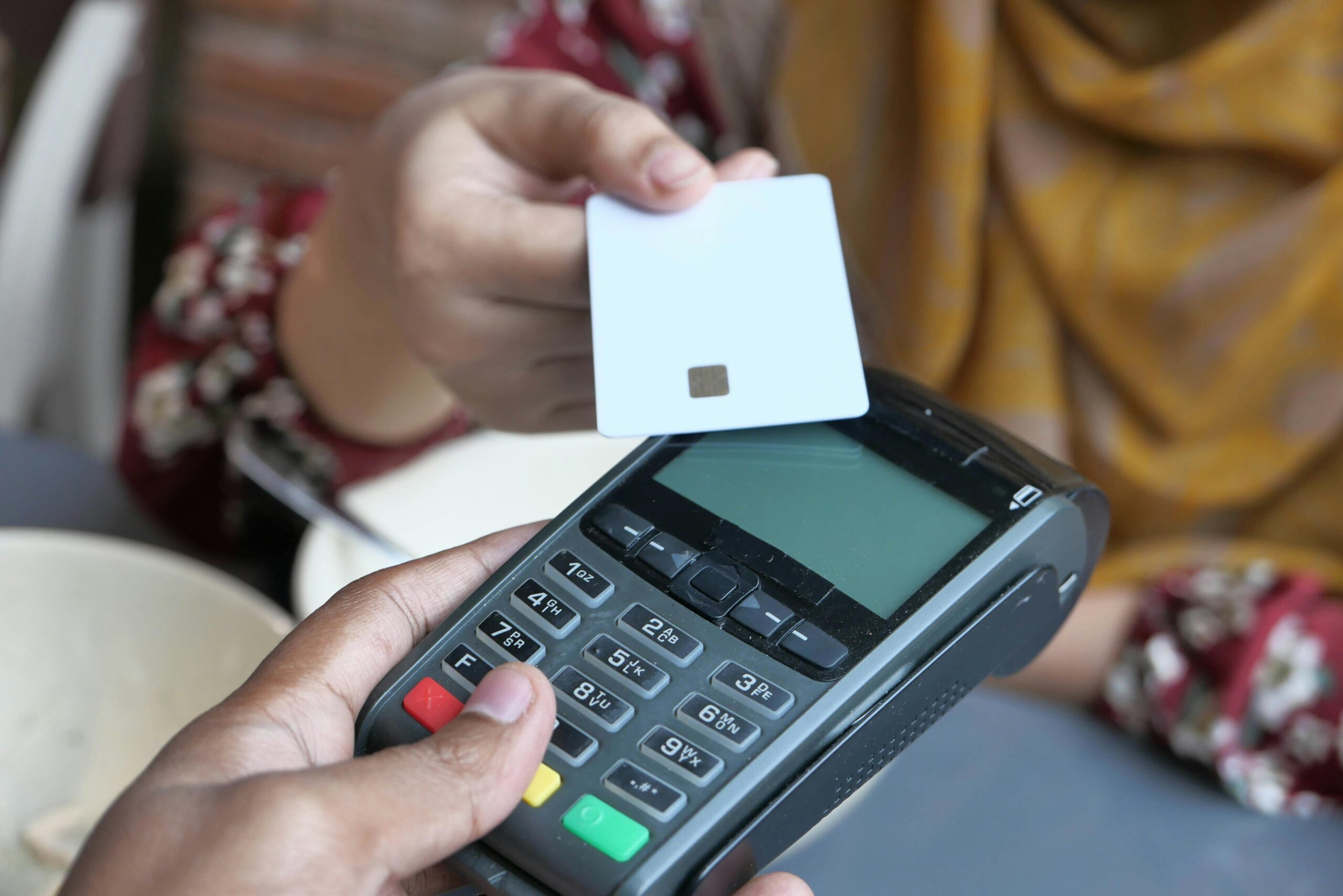
Credit cards are one of those financial tools that most people have, but not everyone fully understands. Used well, they can offer flexibility, protection and even a few perks along the way. Used badly, they can become an expensive habit that is difficult to get out of.
If you are thinking about getting one, or already have one, it is worth understanding how they really work.
What is a Credit Card?
A credit card allows you to borrow money from a lender, usually a bank, to pay for things.
Rather than using money you already have in your account, you are spending the provider’s money and paying it back later. There will be a limit on how much you can borrow, and this is known as your credit limit.
At the end of each month, you will be told how much you owe and given a choice about how to repay it.
How Does a Credit Card Work?
Every time you use your credit card, you are borrowing a small amount of money.
Over the course of a month, those purchases build up. At the end of that period, you will receive a statement showing the total amount spent, the minimum payment required, and the date the payment is due.
You can then either pay off the full balance or pay a smaller amount.
If you pay the full balance, you will not usually be charged any interest. This is the simplest and cheapest way to use a credit card.
If you only pay part of the balance, interest will be added to what remains. This is where costs can start to build up quite quickly.
What Protection Does a Credit Card Give You?
One of the biggest advantages of using a credit card is the protection it gives you when something goes wrong.
In the UK, purchases between £100 and £30,000 are covered under Section 75 of the Consumer Credit Act. This means the credit card provider shares responsibility with the retailer.
So if something is not delivered, turns out to be faulty, or the company you bought from goes out of business, you may be able to claim your money back directly from the card provider.
This can be especially useful for bigger purchases such as holidays or electrical items, where the risk is higher.
Types of Credit Cards
Not all credit cards are designed for the same purpose, and choosing the right one can make a big difference.
1. Reward Credit Cards
These cards give you something back when you spend, such as cashback or points.
They tend to work best for everyday spending, but only if you pay off the balance in full each month. The interest rates are often higher, so any benefit disappears quickly if you start paying interest.
2. Balance Transfer Credit Cards
These are designed to help you deal with existing credit card debt.
They allow you to move a balance from one card to another, often with a period where no interest is charged. This can give you some breathing space to pay down what you owe.
There is usually a fee to transfer the balance, so it is important to factor that in.
3. Purchase Credit Cards
These offer a period where you can spend without paying interest.
They are useful if you need to spread the cost of a larger purchase, but the key is to make sure the balance is cleared before the interest free period ends.
If not, the rate can jump quite sharply.
4. Credit Builder Cards
These are aimed at people with little or poor credit history.
They tend to come with lower limits and higher interest rates, but they can be a good way to build a positive track record if used carefully.
The idea is to spend small amounts and pay them off in full each month.
Things to Watch Out For
Credit cards are easy to use, which is part of the appeal, but there are a few areas where people can come unstuck.
Interest is the main one. If you carry a balance, it can build faster than expected.
Minimum payments can also be misleading. They keep you ticking along, but they do very little to reduce what you owe.
Introductory offers can be helpful, but they do not last forever. It is important to know when they end and what the rate changes to.
There are also fees to be aware of, including late payment charges and fees for transferring balances.
One of the more expensive mistakes is using a credit card to withdraw cash. Interest is usually charged straight away, often at a higher rate.
Finally, it is worth being honest with yourself about spending. It is always easier to spend more when it does not leave your bank account immediately.
The Bottom Line
A credit card can be a useful part of your finances, but it works best when you stay in control of it.
If you pay off your balance in full, keep an eye on fees, and use the right type of card for your situation, it can offer real benefits.
If not, it can become a costly way to borrow.
Like most things when it comes to money, the difference comes down to how you use it.
One thought on “Credit Cards Explained: Getting the Basics Right”